


Childbirth in the COVID-19 Era – UN Calls for Support for Nurses and Midwives
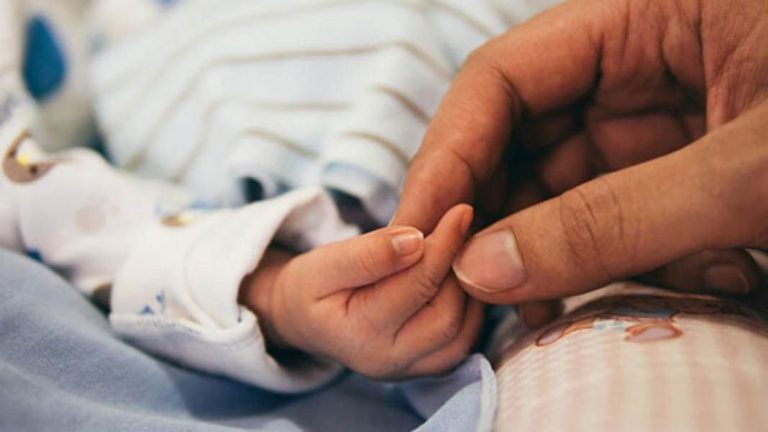
Expectation, uncertainty, hope and fear are all familiar to each of us today.  But imagine what a pregnant woman experiences, scared not only of COVID-19 herself, but also of infecting her child. Midwives and doctors come to help expectant mothers, showing the same courage and dedication to the profession as doctors working with COVID patients.
 “I was not at all afraid to give birth and did not think about which hospital I would go to. But now everything has changed. ” Rim Salama, 27, from Egypt, says the coronavirus has disrupted all her plans: “Now I’m looking for a hospital where there are no cases of coronavirus.” Now she cannot undergo regular check-ups and communicates with doctors by phone.
 “We are all terribly afraid, I especially – I have twins. How will I give birth? I’m very scared, ”says 25-year-old Angie Merkay from Albania. The head midwife of the maternity hospital Aryana Poiyani assures Angie that she is taking all the necessary measures to protect her health and the health of her children.
  But Poiyani is also worried: “Look what is happening around the world. We are also at risk, but the most important thing for us is pregnant women. ”
Every year on May 5, the UN celebrates International Day of Nurses and Midwives. This year, when the coronavirus pandemic swept the world, we are doubly grateful to them.  Health systems are overloaded, there is a high risk of contracting coronavirus in medical facilities, additional difficulties are created by restrictions on movement – in such an environment, the birth of a new person is associated with a risk to the health of both the mother and medical personnel.
Childbirth is a stressful situation for women, and during the coronavirus pandemic, it will cause additional concerns in expectant mothers
True, today there is no reason to believe that pregnant women have a higher risk of contracting COVID-19 than everyone else. There is no evidence that the virus can increase the risk of miscarriage.  The danger to women in labor and midwives is more likely related to the health situation in a particular country.
Janet Azmah from Ethiopia worries that she and her colleagues will not have enough personal protective equipment. But he is worried not for himself, but for the patients: “We are afraid that due to a lack of protective equipment, doctors will become infected with a coronavirus infection and will not be able to help people, primarily pregnant women. We can see that this is happening in other countries as well ”.
 Even in those maternity hospitals where there is still enough protective equipment, they are not sure how long they will last. “We have stocks of special equipment in our clinic, but due to its shortage in the international market, they are replenished slowly,” complains Dr. Tinatin Gagua from Georgia.
The United Nations Population Fund continually helps countries improve the quality of neonatal and gynecological care, including by providing the necessary resources. Now the Fund is collecting funds for the purchase of protective materials, hygiene products and other equipment necessary for midwives and other health workers working in the context of the coronavirus pandemic.
 South Sudanese obstetrician Justin Mangvi compares the COVID-19 pandemic to his own country’s war of independence: “Now health workers have stood up to defend the country in the war against coronavirus,” he says. And he adds: “We have withstood the difficult times, I think we can handle it now.”