



Prior to the COVID-19 pandemic, many countries have consistently improved their tuberculosis performance: over the past 4 years, the number of infections has decreased by 9 percent and deaths by 14 percent. However, as reported today from the WHO, the spread of the coronavirus will not allow it to fulfill the tasks set this year.
According to the World Health Organization (WHO), 1.4 million people died last year from tuberculosis-related illnesses. Of the 10 million people who contracted the infection during the reporting period, 3 million were either not diagnosed or not reported to the authorities.
Patients with antibiotic-resistant tuberculosis are in an even more dangerous situation. Their number has increased by 465 thousand over the year, and only 40 percent of those newly infected receive treatment. A decrease in indicators is also observed in the field of tuberculosis prevention. “Not everyone still has equal access to timely diagnosis and effective treatment of tuberculosis,” said WHO head Dr Tedros Adhanom Ghebreyesus. “More needs to be done to meet the 2022 targets.”
In 2018-2019, 14 million people received treatment for this disease – this is a third of the indicators that it was decided to achieve in five years – from 2018 to 2022. During the same time, about 6.3 million people received access to prevention programs – by 2022, their number should reach 30 million.
Funding remains a major challenge. In particular, this year $ 6.5 billion was allocated to fight infection on a global scale, although from the Political Declaration on Tuberculosis, adopted by the heads of state, it followed that this amount should be $ 13 billion.
The pandemic and related disruptions to health services have increased the backlog and have also hampered the collection and processing of morbidity statistics. Thus, in the first six months of this year in the three countries with the largest number of TB patients – India, Indonesia and the Philippines – the number of new cases compared with the same period last year decreased by one third.
TB treatment has avoided 60 million deaths since 2000
The WHO warns that such gaps in diagnosis could lead to a sharp increase in deaths from the disease. Experts propose various measures aimed at rectifying the situation, in particular, the use of digital technologies. “In the face of the pandemic, countries, civil society representatives and other partners are joining forces to provide assistance to those in need both in the fight against tuberculosis and COVID-19,” said Dr Teresa Kaseva, Director of the WHO Global Tuberculosis Program.
In a recent report, the UN Secretary-General proposed urgent action on ten areas to narrow the gap in the provision of health services for the prevention, detection and treatment of tuberculosis, as well as improve funding for this work and expand research.
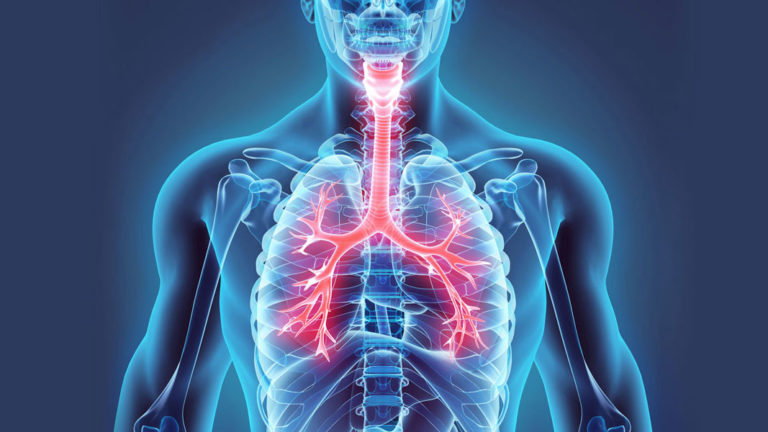
Tuberculosis is caused by a mycobacterium that most commonly affects the lungs. The infection is transmitted from person to person through drops from the pharynx and lungs of people with active respiratory disease.
In healthy people, infection with Mycobacterium tuberculosis often does not lead to any symptoms, since the human immune system protects against the bacteria. Symptoms of active pulmonary tuberculosis are coughing, sometimes with phlegm or blood, chest pain, weakness, weight loss, fever, and night sweats. Tuberculosis can be cured with a six-month course of antibiotics.
Treatment of tuberculosis has helped to avoid 60 million deaths since 2000. At the same time, millions more people do not receive adequate medical care.